
The THRONE
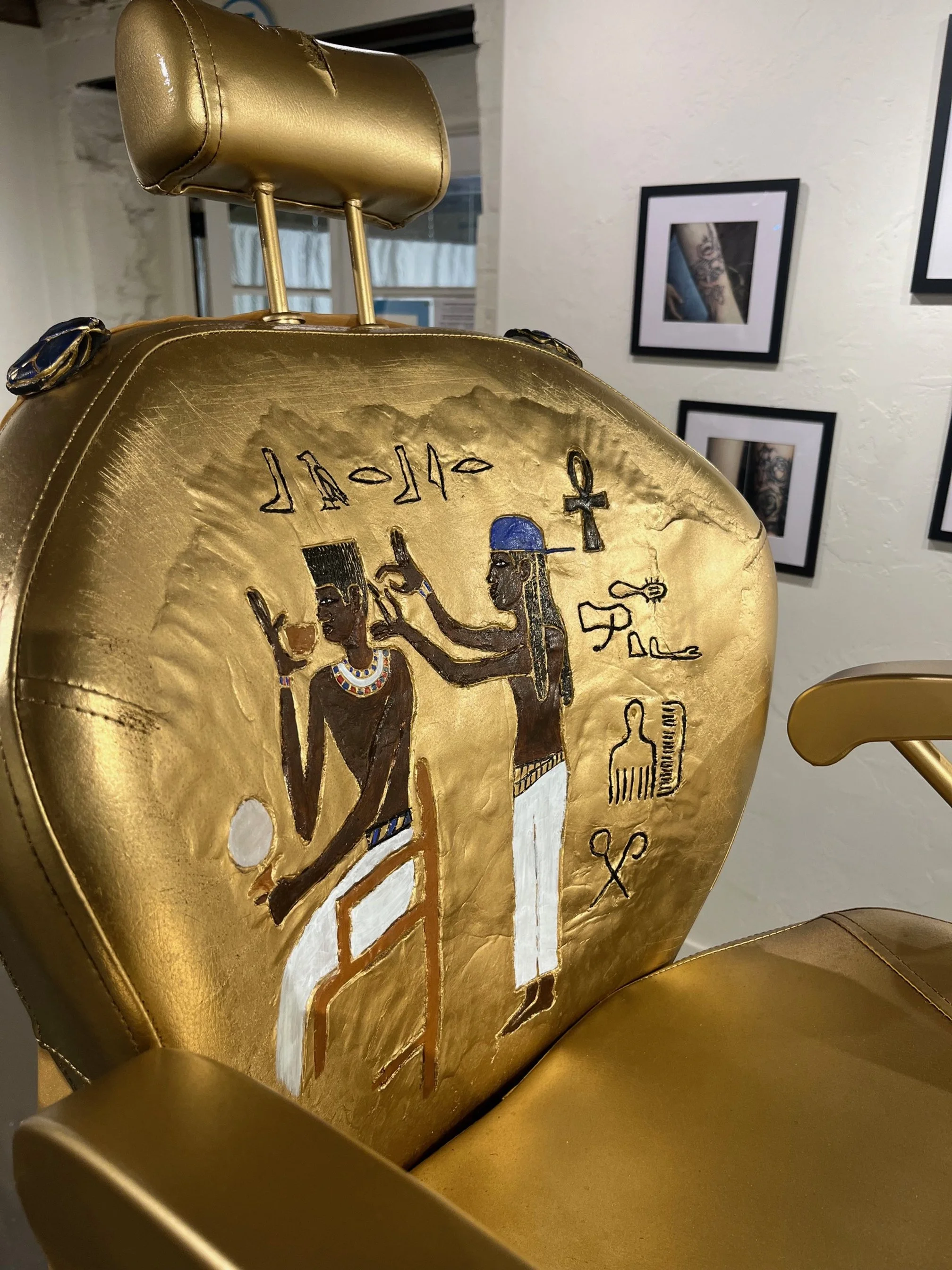
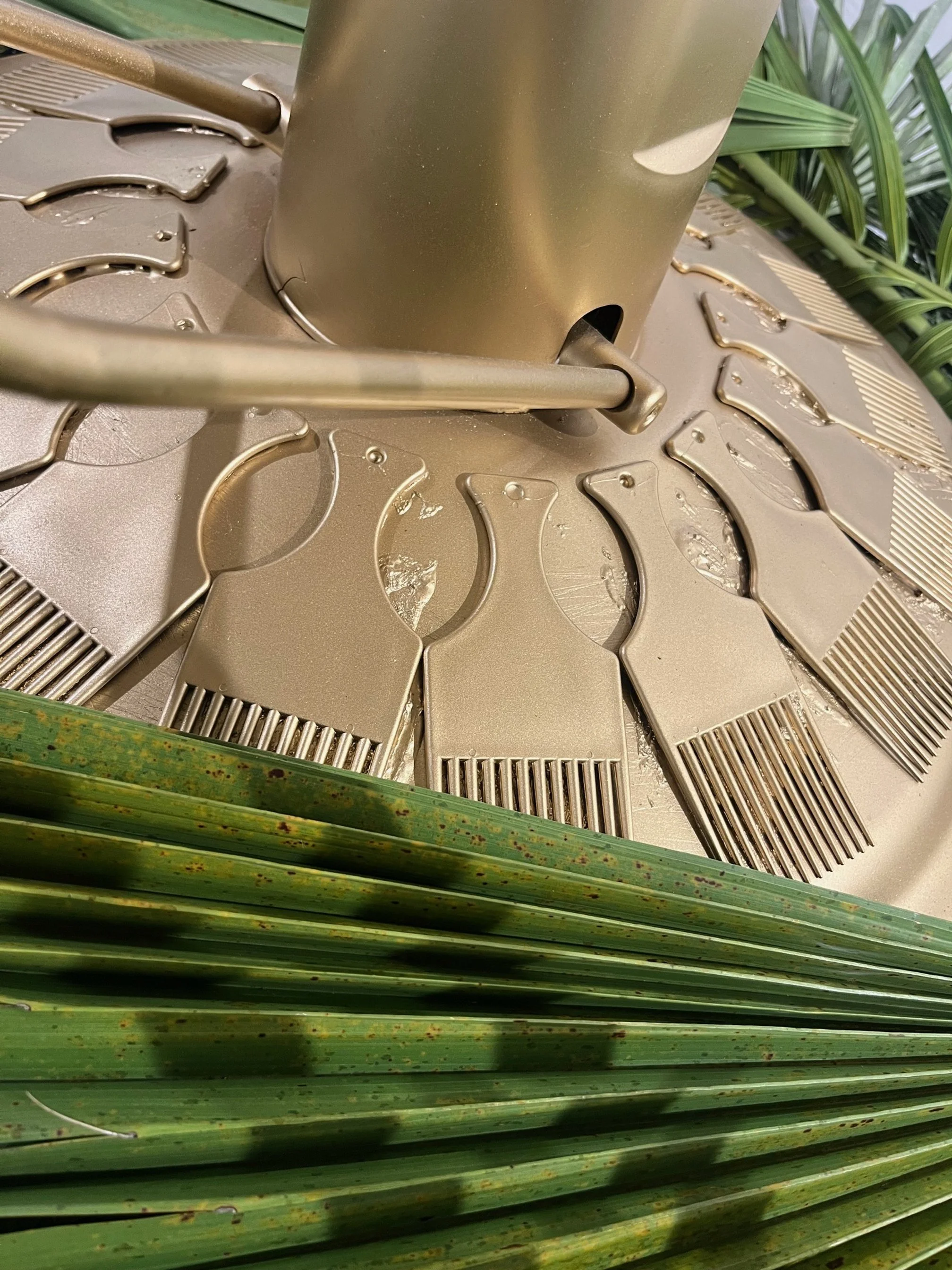
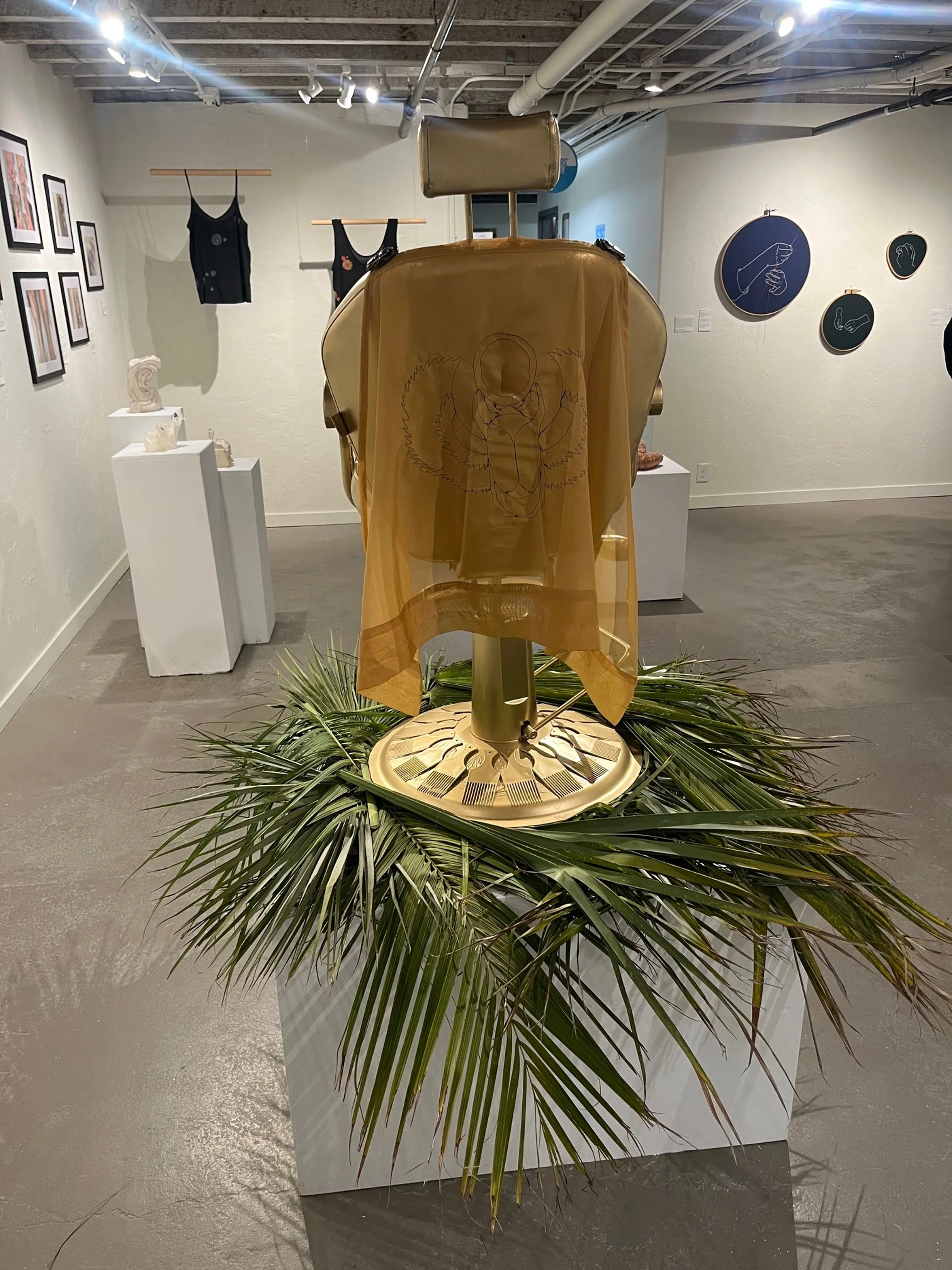
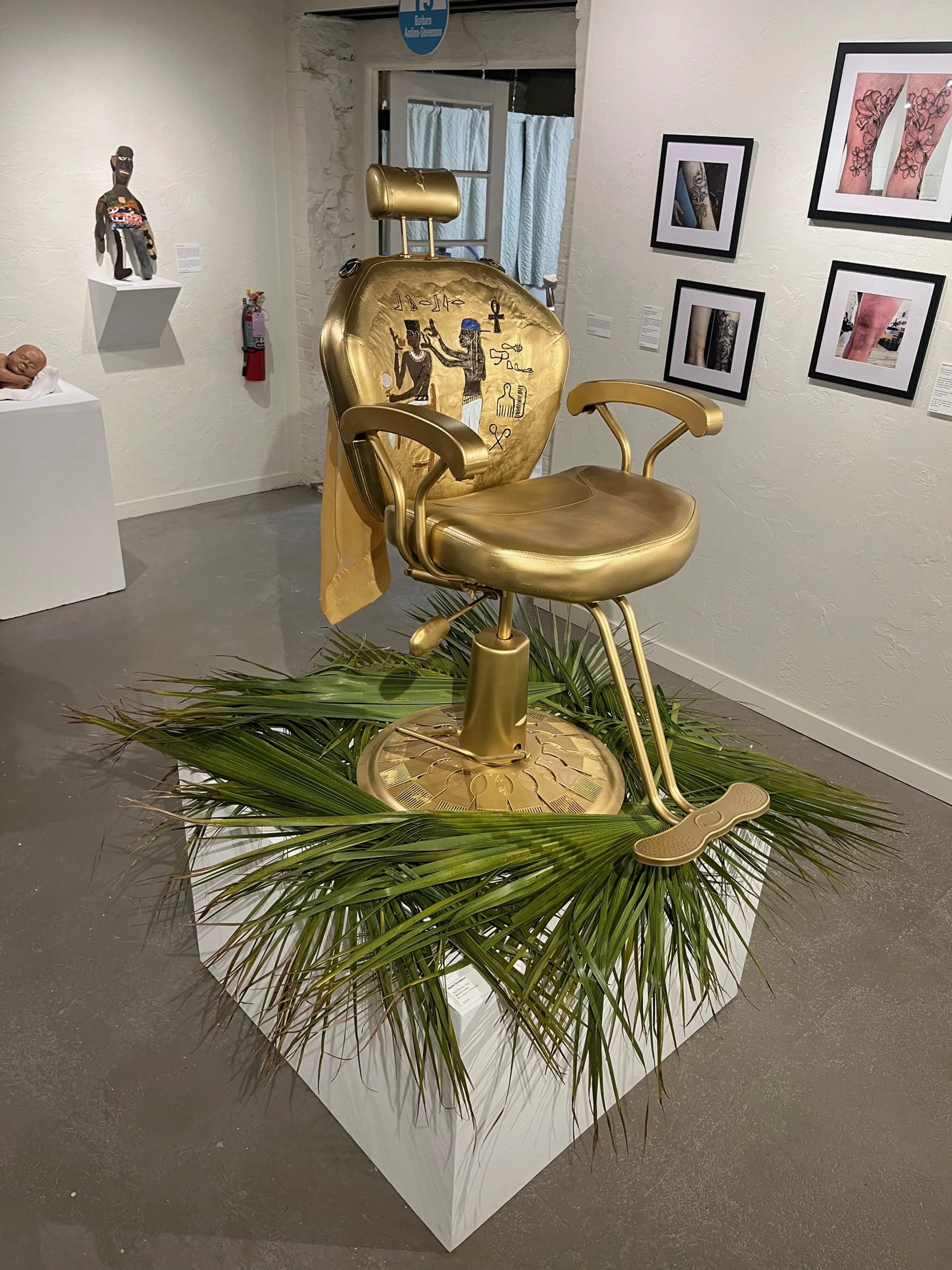
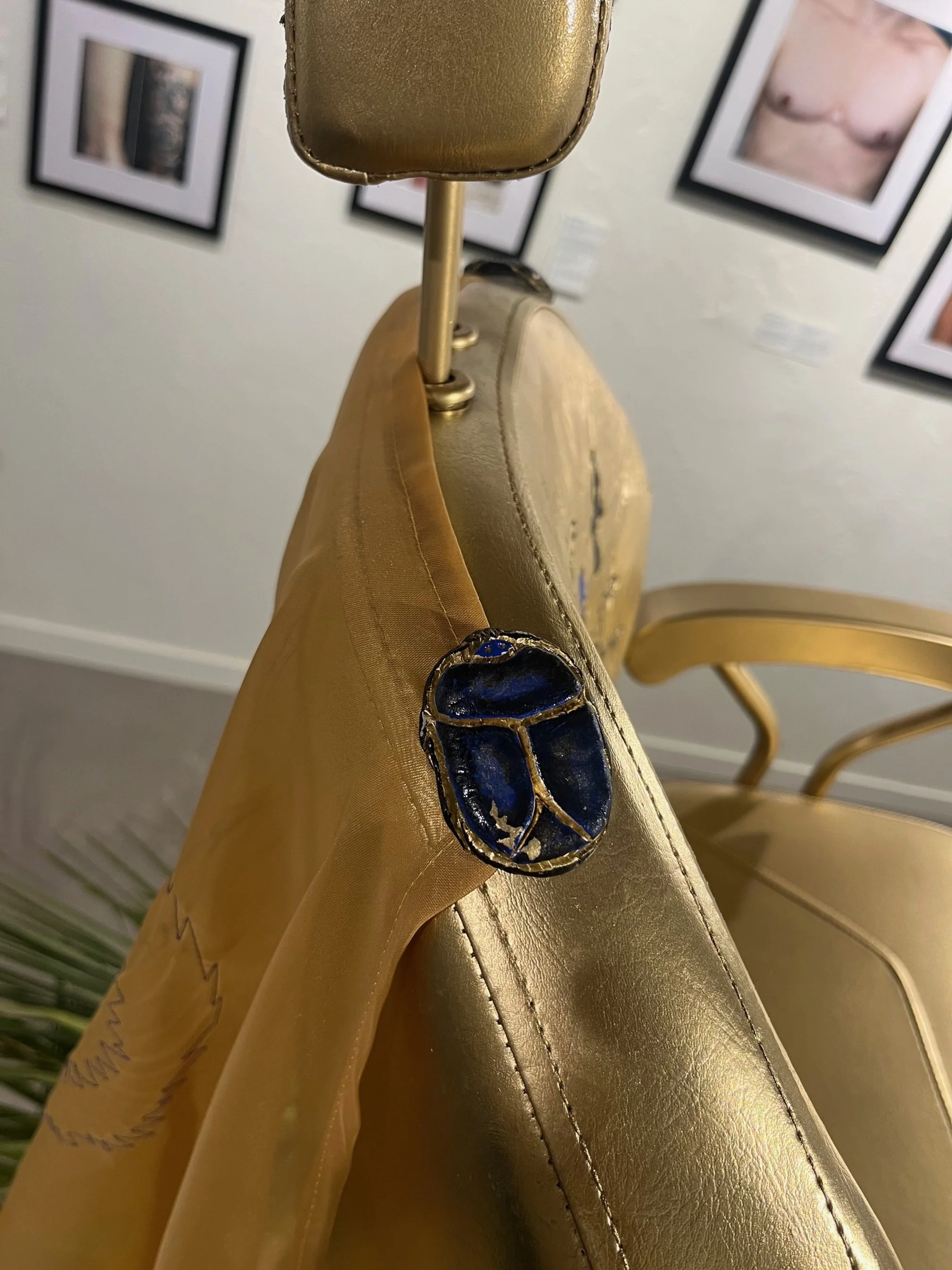
The THRONE
From the ochre walls of ancient Egypt to the fluorescent-lit interiors of contemporary Black barbershops, hair weaves together history, artistry, and therapy. Across centuries and continents, the act of cutting, styling, and tending hair has carried meaning far beyond aesthetics: it marks identity, encodes lineage, and anchors communal rituals. In this lineage, the barber’s chair is more than furniture; it becomes a throne. The hands that shape hair are also hands that shape stories, self-worth, and belonging.
In ancient Egypt, hair signaled social status, religious devotion, and personal cosmology. Wigs, braids, and shaved patterns were not incidental fashion but statements inscribed on the body—public declarations of rank, purity, and connection to cultural myths. The barber’s role was technical and sacred, an artisan who translated social codes into tangible form. That fusion of craft and meaning persists.
Today’s Black barbershop extends that heritage. Chairs arranged like small courts orient toward mirrors and toward conversation. Clients enter seeking haircuts, but they often leave with more: counsel, laughter, accountability, affirmation. A haircut punctuates life—back-to-school, first job, wedding, funeral—but within the shop it also becomes a ritual of renewal. The barber’s clippers set a rhythm; comb and razor orchestrate transformation. Patterns cut into hair can celebrate cultural motifs or personal narratives. Braids, fades, twists, and locs articulate histories of resistance, migration, and creative adaptation. Each style is both personal statement and communal language.
Artistry is visible in precision and imagination. Barbers are designers who map geometry onto scalp and skull, balancing line, texture, and shadow. They translate face shapes, lifestyles, and preferences into living sculpture. Their craft requires embodied skill: steady hands, acute eye, and improvisational problem solving. Like a painter or a sculptor, a barber manipulates form and surface. Yet unlike many studios, the barbershop displays its work in real time and in public: a haircut is a performance for those sitting nearby, and the result is carried through the neighborhood.
Therapy, perhaps unexpectedly, is intertwined with this artistry. The barbershop functions as an informal clinic for mental and emotional care. Men and boys—often underserved by mainstream mental-health services—find a space where vulnerability is permissible. Conversations range from sports and music to politics, fatherhood, grief, and survival strategies. In the cadence of small talk and deep disclosure, stress is ventilated, advice is exchanged, and social bonds are reinforced. The barber listens with a practiced ear, offering empathy, direction, and sometimes tough love. That listening is itself a skill, one that complements the manual work and completes the service.
Rituals solidify trust. The sequence of gestures—a tap on the shoulder, the drape of a cape, the preening touch with oil, the final blast of perfume—frames the haircut as ceremony. Rituals create predictability and safety; they mark transitions and acknowledge continuity with shared norms. When a child receives a first haircut, or a man prepares for a job interview, the ritual lends gravity and communal acknowledgment. In these moments the chair becomes a throne: a place of dignity where change is sanctioned and witnessed.
Barbershops also function as cultural archives. Walls lined with sports memorabilia, photos of generations, and framed first issues of magazines carry memory. Conversations keep oral histories alive—migration tales, neighborhood changes, political organizing, celebrated mentors. A style can signify solidarity with a movement; a barbershop endorsement can mobilize civic engagement. In this way, hair operates as history written on the body and stored in social exchange.
Understanding hair through these overlapping lenses—history, artistry, therapy—reveals why barbers and barbershops matter beyond commerce. They are sites where identity is crafted, where community is rehearsed, and where healing takes everyday form. Chairs become thrones not by ornament but by function: they elevate the person sitting there, enacting recognition and respect.